US Tariffs & Africa

Wasse Marlvine
7 Min Read

Trump’s Tariffs: A Wake-Up Call for African Economies


    By Wasse Marlvine


April 09 2025 – Africa

In an unexpected turn of events, the Trump administration’s decision to impose new tariffs on several African nations has sent ripples through the continent’s economy. With tariffs as high as 31%, African industries across agriculture, textiles, and manufacturing are already feeling the heat. For many African countries, this tariff move presents not just an economic setback but also an opportunity to reassess their economic strategies, strengthen local industries, and diversify trade relationships.

Immediate Impact: Livelihoods at Risk
The most immediate impact of these tariffs is on Africa’s vulnerable sectors that rely heavily on exports to the U.S. Agricultural exports—particularly fruits, flowers, and textiles—are taking a direct hit. Countries like Kenya, Morocco, and Egypt, known for their agricultural exports to the U.S., now face rising costs that may erode their competitiveness in a global market already burdened with uncertainties.

For example, Kenya’s lucrative flower industry, which exports millions of dollars’ worth of flowers annually to the U.S., now faces reduced demand and increased production costs. Similarly, nations like Ethiopia and Uganda, which have begun developing textile and apparel industries, are likely to see their products priced out of the U.S. market, undermining years of investment in industrialization.

Beyond agriculture and textiles, the broader mining and energy sectors, which supply raw materials to the U.S., are also being hit by decreased demand and reduced market access. The fallouts could extend across sub-Saharan Africa, where the economy’s reliance on exports of natural resources is deep-rooted.

As tariffs impose financial strain, workers in these industries are among the first to feel the consequences. Job losses, reduced working hours, and stagnant wages are expected to become widespread, particularly in rural communities that depend on these export-driven sectors for livelihoods.

A Call for Economic Diversification and Regional Cooperation
While the tariffs present immediate challenges, they also highlight the urgent need for African nations to diversify their economies. Historically, Africa has relied heavily on exporting raw materials to developed nations. However, the volatility of such trade relationships—especially in times of external disruptions like tariffs—calls for a shift in focus towards local value addition and industrialization.

As the African Growth and Opportunity Act (AGOA) nears expiration in 2025, African countries must pivot from being mere suppliers of raw goods to global players in manufacturing and processing. Encouraging the growth of local industries that process raw materials into finished goods can create jobs, foster innovation, and increase export value. This strategy will help insulate African economies from the impacts of tariffs and other external shocks.

“Instead of focusing only on raw exports, Africa should prioritize local industries that create finished products for global markets,” said Dr. Kofi Amoako, an economist at the African Development Bank. “Africa’s long-term economic growth will depend on this transformation.”

Furthermore, strengthening intra-Africa trade is critical. The African Continental Free Trade Area (AfCFTA), which aims to eliminate trade barriers between African countries, provides a framework for greater regional cooperation. This could serve as an alternative to over-reliance on external markets like the U.S., making African economies more resilient and self-sustaining.

Lessons from China: The Path Forward
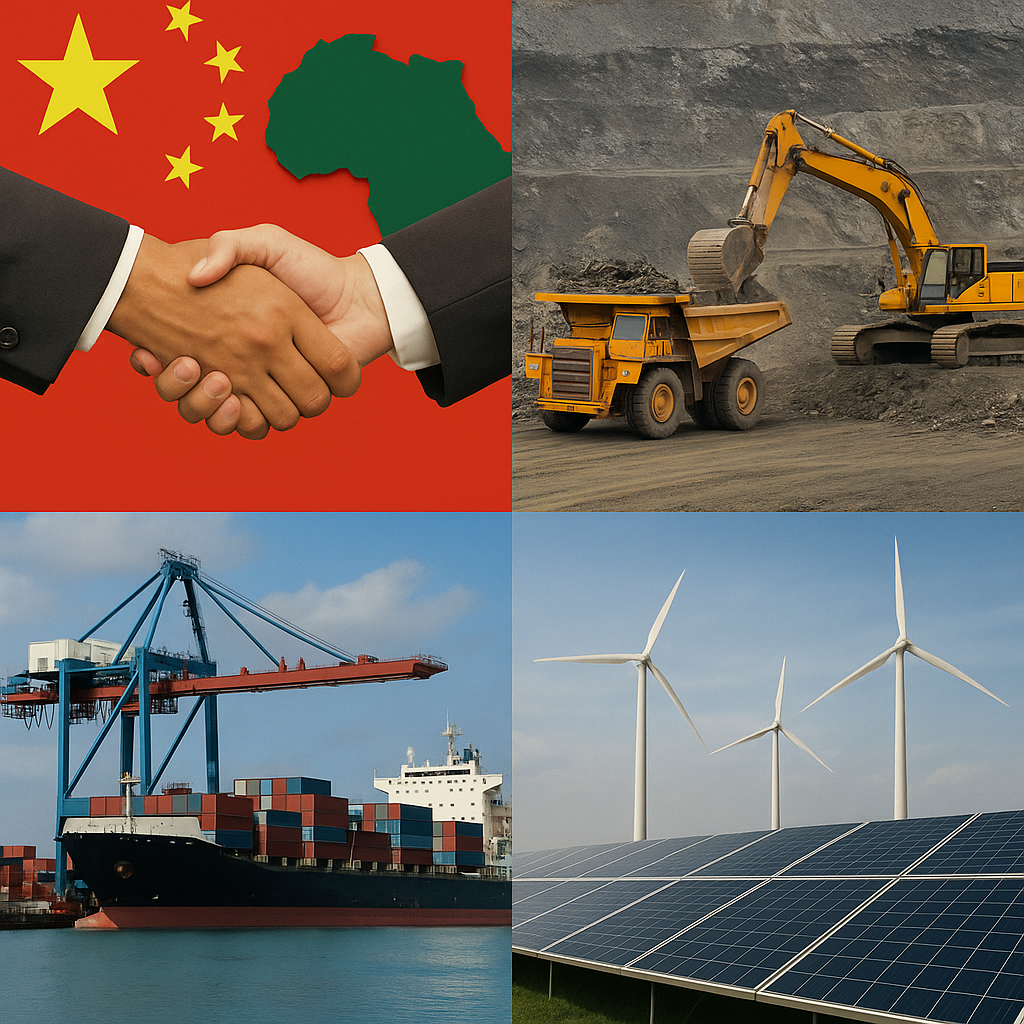
In many ways, Africa can look to China’s meteoric rise as a global economic powerhouse as a model for navigating such challenges. Over the past few decades, China has managed to pull hundreds of millions of people out of poverty by focusing on industrialization, investing heavily in infrastructure, and becoming a global manufacturing hub.

China’s success lies in its strategic long-term planning. By creating an environment conducive to business, attracting foreign investment, and building world-class infrastructure, China has transformed itself from a largely agrarian society into an industrial juggernaut. Africa can take similar steps by prioritizing infrastructure development, education in science and technology, and policies that attract investment.

“Africa has the potential to be the next global powerhouse, but it needs to start thinking strategically about its future,” says Dr. Angela Mwangi, a policy advisor with the African Union. “Just as China turned adversity into opportunity, Africa can do the same by building sustainable industries and fostering innovation.”

Rising to the Challenge: A Collective Effort
Now is the time for African governments, businesses, and individuals to come together and chart a new path forward. While the immediate effects of the Trump tariffs are tough, they can serve as a wake-up call for Africa to build its economic future on its own terms.

By focusing on education, particularly in fields like engineering and technology, African nations can build a skilled workforce capable of driving industrial growth. Investment in technology and innovation is also crucial to building a more competitive and diversified economy.

Moreover, African nations must invest in infrastructure, from energy to transportation, to create an environment where businesses can thrive. Governments must also prioritize policies that support the growth of SMEs and entrepreneurial ventures, particularly in the manufacturing and tech sectors.

Conclusion: Africa’s Future is in Its Hands
While the tariffs may continue to disrupt trade flows and livelihoods in the short term, they also present a pivotal moment for Africa to reassess and reinvent its economic future. By diversifying trade relationships, strengthening regional cooperation, focusing on industrialization, and investing in education and technology, African nations can not only weather the storm but emerge stronger.

Now is the time for Africa to take control of its destiny. The continent has vast resources, a young and dynamic population, and the potential to become a key player in the global economy. The challenge is great, but the opportunity is even greater. Africa’s time to rise is now.

Stay updated with the latest news from across Africa at AfriScoop.


Share This Article
Leave a Comment

Leave a Reply

Your email address will not be published. Required fields are marked *