Sahel’s Diplomatic Tension with Algeria

Wasse Marlvine
8 Min Read

The Sahel at a Crossroads: Diplomacy and Economic Renaissance on the Edge


    By Wasse Marlvine


Niamey, Niger| 07 April 2025

The Sahel region, already grappling with socio-political instability, faces a critical moment in its diplomatic relations that could have far-reaching implications for its economic future. This past weekend, the Alliance of Sahel States (AES)—a coalition of Mali, Burkina Faso, and Niger—made a bold and symbolic decision: recalling their ambassadors from Algeria following a tense confrontation over the downing of a Malian drone near the Algerian border. While this move was officially framed as a protest against a violation of international law, the underlying message sent to the international community is much more significant than an isolated diplomatic fallout.

In the context of Africa’s push for economic rebirth—an economic renaissance that hinges on stability, trade partnerships, and regional collaboration—such incidents are not merely political skirmishes but critical junctions that will define the trajectory of the Sahel and beyond.

A Region Under Siege

The Sahel, an area that stretches across northern Africa, encompassing countries like Mali, Niger, and Burkina Faso, has long been a hotbed of insurgencies, terrorism, and armed conflicts. The region, which serves as a bridge between the Saharan north and the more temperate sub-Saharan regions, finds itself in the crosshairs of violent extremist groups, a legacy of colonial borders that have left deep ethnic divides, and an economic underdevelopment exacerbated by climate change.

However, in recent years, a quiet but palpable shift has begun. African leaders, many of whom have seen firsthand the destruction wrought by instability, are seeking new models of growth that emphasize self-sufficiency, regional unity, and a break from historical reliance on foreign aid and interventions. The AES, born out of necessity, seeks to unite these countries in a bid for stronger political and economic resilience, striving to redefine the Sahel’s position on the global stage. But recent tensions with Algeria, a key regional player, threaten to destabilize these fragile alliances.

The Significance of the AES and the Diplomatic Fallout

The recall of ambassadors from Algeria is more than just a diplomatic maneuver. It is an attempt by the Sahel countries to assert their autonomy in a region traditionally influenced by powers outside of Africa, including former colonial powers and global superpowers. It speaks volumes about the AES’s determination to carve a path toward self-determination, especially in economic spheres. Algeria, a neighbor to the Sahel countries, has long played a prominent role in regional security, but its political interests and allegiances often put it at odds with the priorities of Sahelian countries.

The timing of this incident is no accident. As the Sahel struggles with internal instability, its leadership is turning toward regional cooperation as a cornerstone of its economic recovery. Economic corridors that connect Sahelian countries with their North African counterparts are seen as potential game-changers, offering opportunities for trade, resource-sharing, and infrastructure development. But this vision requires political unity. For the AES, the diplomatic clash with Algeria underscores a deeper, urgent desire to chart an independent course—one where foreign influence does not hinder Africa’s collective economic aspirations.

The Road to Economic Renaissance: Why It Matters

Africa, and particularly the Sahel, is at a critical juncture. With the global economic order evolving, the continent is exploring new ways to harness its vast human and natural resources for economic growth. In this broader context, the diplomatic tension between the Sahel and Algeria is not just a moment of discord; it is a reflection of the larger struggle for economic autonomy and relevance.

African economies, especially those in the Sahel, are uniquely positioned to benefit from regional collaboration. The potential for sustainable agriculture, renewable energy, and digital innovation are all within reach. However, these opportunities cannot be realized without political stability, secure borders, and regional partnerships that are grounded in mutual respect and self-interest.

The Sahel’s quest for economic Renaissance involves transitioning away from dependency on foreign aid and focusing on intra-Africa trade. The African Continental Free Trade Area (AfCFTA), launched to increase intra-Africa trade and provide a robust economic platform, could serve as a vital lifeline for the Sahel, provided the region achieves the political stability required to exploit such opportunities.

The region has resources that are in high demand globally, from its oil and gas reserves to gold, uranium, and fertile lands. But the ability to extract value from these resources requires peaceful, stable governance and the ability to forge alliances that prioritize African interests. Here, the AES’s goal to maintain sovereignty—through diplomatic actions like recalling ambassadors—becomes central to shaping the economic future of the Sahel.

The Global Impact: A Ripple Effect

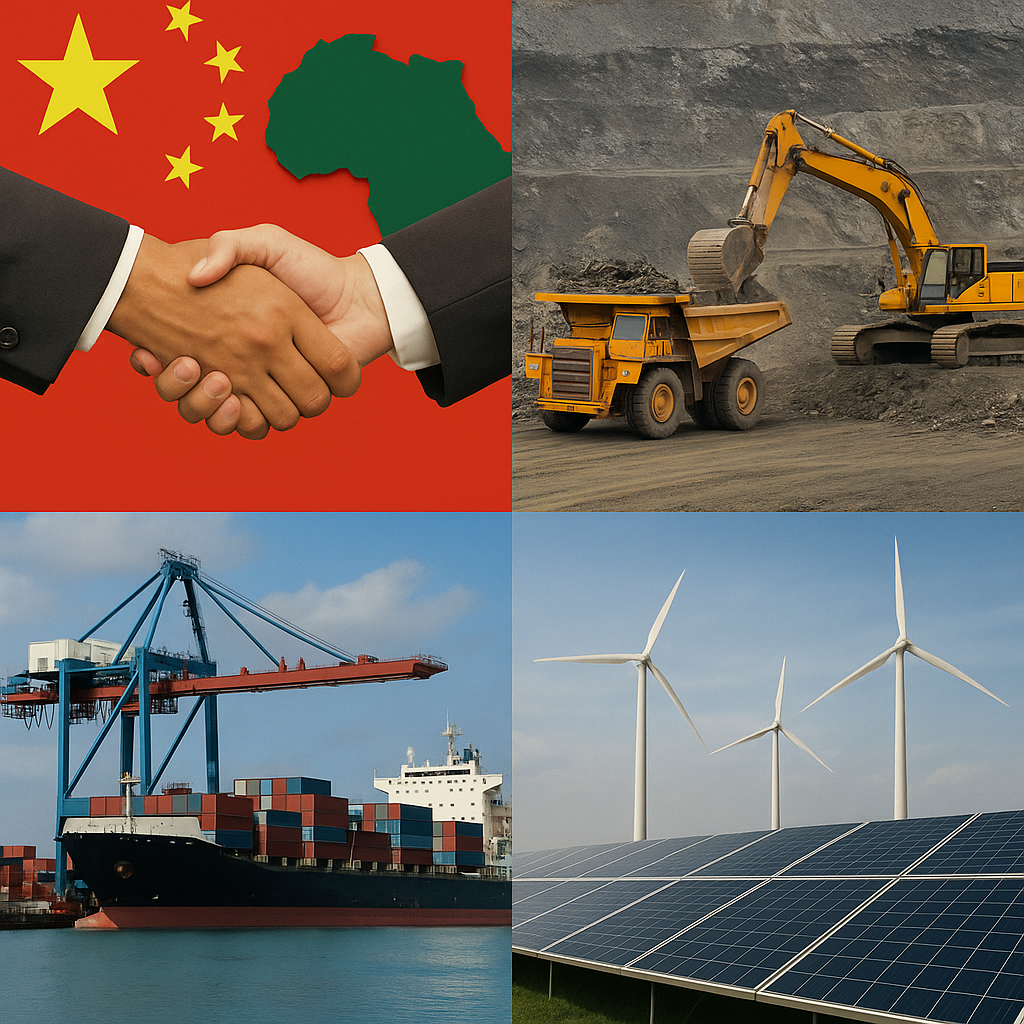
This unfolding diplomatic drama is not isolated to the Sahel alone. It signals to the world that African countries, particularly in the Sahel, are taking their future into their own hands. The broader implications could reshape international trade dynamics, particularly with North African countries, the EU, and China, who have vested interests in the region’s resources.

The diplomatic rift with Algeria highlights the growing tensions over control of resources, geopolitical influence, and the future economic landscape of Africa. As the continent seeks to redefine its position on the world stage, the Sahel’s economic and political actions will serve as a blueprint for other regions facing similar challenges.

Looking Ahead: The Call for Unity and Resilience

While the path ahead is undoubtedly fraught with challenges, the Sahel’s resolve to stand united is a beacon of hope for the continent’s broader economic aspirations. This diplomatic fallout—while painful—could ultimately reinforce the Sahel’s commitment to an Africa-centric economic model.

By fostering internal cooperation and asserting their independence, the Sahel nations are not just making a political statement—they are forging a path toward an economic Renaissance that could reverberate across the continent. To truly thrive, however, the Sahel must navigate this diplomatic storm with an eye on long-term stability and prosperity. Africa’s future depends on it.

Share This Article
Leave a Comment

Leave a Reply

Your email address will not be published. Required fields are marked *