Trump Administration’s Proposed Closure of African Embassies: A Setback for U.S.-Africa Relations, But a Catalyst for Africa’s Growth
By Wasse Marlvine
April 19, 2025

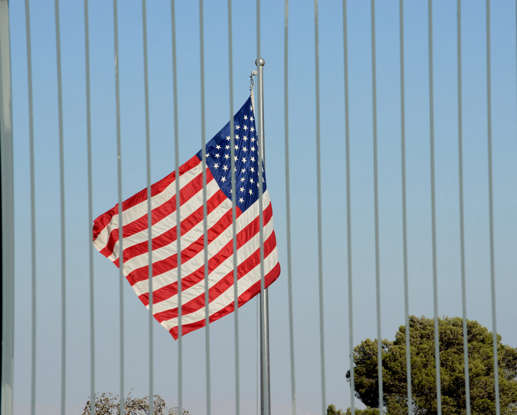
In a move that has sent shockwaves through diplomatic circles, the Trump administration has proposed the closure of several U.S. embassies across Africa. This decision, which includes scaling back U.S. diplomatic presence in key African nations, threatens to significantly diminish the United States’ role on the continent, just as Africa is emerging as a vital player on the global stage.
The Proposal: A Step Backwards for Diplomacy
The plan, unveiled on April 15, 2025, would involve the closure of U.S. embassies in countries such as Burkina Faso, Guinea, and Côte d’Ivoire, as well as a reduction in staff at missions in South Africa, Nigeria, and Kenya. The closures are part of a broader strategy aimed at reducing U.S. foreign expenditure, with a specific focus on nations the administration deems to have strategic, but limited, influence on American interests.
“We must refocus our resources on areas where they can yield the greatest returns,” said Secretary of State Marco Rubio, outlining the rationale behind the closures. “Africa has a growing global influence, but our priorities must be aligned with national security and economic considerations.”

The proposal has sparked an intense debate, with critics arguing that this is a miscalculation of Africa’s rising geopolitical and economic significance. African nations, home to the world’s fastest-growing economies and critical natural resources, are increasingly pivotal in the global balance of power.
Implications for U.S.-Africa Relations
The U.S. has long seen Africa as an important partner in addressing global security challenges, ranging from terrorism in the Sahel to the rise of China’s influence in the region. These partnerships have been fostered through diplomatic engagement, development programs, and economic cooperation.

Ambassador Linda Thomas-Greenfield, who served in diplomatic posts across Africa, expressed deep concern about the move. “Reducing diplomatic presence at a time when Africa’s importance is skyrocketing is a strategic blunder. The U.S. cannot afford to pull back now,” she stated. “Africa is not just a continent with potential; it is a continent shaping the future.”
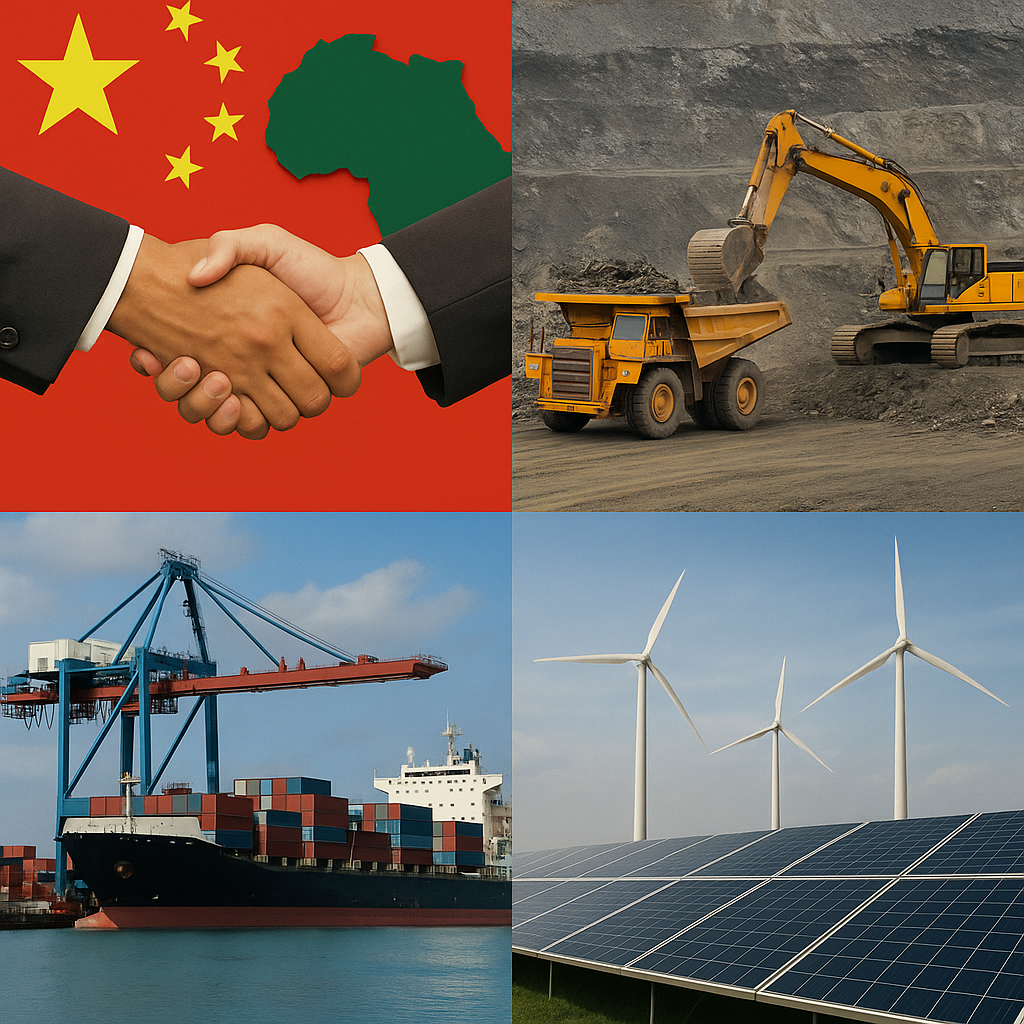
Experts warn that closing embassies in key countries could undermine the U.S.’s ability to influence developments in Africa. China’s growing footprint on the continent, as seen through investments in infrastructure and trade, could make African nations more susceptible to Beijing’s growing influence, while the U.S. risks losing access to critical markets and trade routes.
A Blessing in Disguise for Africa’s Self-Evaluation and Growth

While this move may be seen as a setback for U.S.-Africa relations, there is an argument to be made that the closures present a unique opportunity for Africa. As the world’s second-largest continent, Africa has long depended on external powers, especially the United States, for economic, political, and security support. The potential reduction in American diplomatic presence could serve as a wake-up call, pushing African nations to turn inward, evaluate their own development models, and rely more on regional cooperation and self-sufficiency.
Historically, necessity has been the mother of invention, and as African nations face the prospect of reduced foreign influence, the pressure to innovate and develop internal solutions will become more critical. In many ways, this cut-off could be the catalyst for Africa to forge stronger ties within the continent, embrace homegrown solutions, and foster innovation in business, governance, and infrastructure development.
Dr. Adaeze Okeke, a professor of international relations at the University of Lagos, pointed out that “Africa must see this as an opportunity to develop its own policies and economic strategies without being overly dependent on external powers.” She emphasized that Africa has the resources, both human and material, to build sustainable futures through collective self-reliance.
“The closure of U.S. embassies could push us to revisit the African Union’s vision for integration, empowering us to create stronger regional frameworks for peace, trade, and development,” Dr. Okeke added.
Africa’s Strategic Role in Global Affairs
The proposed closures come at a time when Africa is asserting itself as a key player in global trade and geopolitics. The African Continental Free Trade Area (AfCFTA), launched in 2021, has already begun to reshape intra-African trade, attracting foreign investment from major economies. At the same time, Africa’s mineral wealth — from cobalt to lithium — has become even more crucial as global demand for these resources skyrockets.
Nigeria, one of the countries at risk of facing a scaled-down U.S. embassy presence, has been a major partner for the U.S. in counterterrorism efforts in the Sahel and for trade relations in West Africa. The closure of the embassy would be seen as a setback for cooperation on issues such as combating Boko Haram, enhancing trade relationships, and supporting democratic transitions.
But Africa has already shown its resilience in the face of challenges. Kenyan President William Ruto, who has worked closely with the U.S. on both security and economic matters, emphasized the importance of continued diplomatic engagement. “Africa is a rising star in global affairs,” he stated. “Any reduction in diplomatic ties would only serve to undermine a partnership that has proven valuable for both sides.”
A Call for Reconsideration and Strategic Diplomacy

In response to the plan, several African foreign ministers have called on the U.S. to reconsider its approach. South African Foreign Minister Naledi Pandor noted, “The world is increasingly looking toward Africa for solutions to global challenges. A reduced American presence will have long-term consequences for mutual cooperation.”
Reaffirming African Partnerships and Embracing Self-Reliance
This proposed closure of embassies raises urgent questions about the future of U.S.-Africa relations. It underscores the need for the U.S. to recalibrate its diplomatic priorities in line with the strategic shifts occurring on the continent. At a time when Africa is becoming a key player in global affairs, reducing engagement risks alienating a region poised for significant economic growth and political influence.
In conclusion, this decision stands as a pivotal moment for U.S.-Africa relations. While the proposed closures may seem like a retreat, they present an opportunity for Africa to embrace self-reliance, create stronger internal partnerships, and redefine its path toward growth and development. Africa’s growing influence cannot be ignored, and this could be the moment to truly step into its power on the global stage.