Economic Desk | AfriScoop
AFRICAN CURRENCY WARS: THE SAHEL’S BOLD GAMBLE FOR TRUE INDEPENDENCE
By Wasse Marlvine
Bamako, Mali
Breaking the Chains of the CFA Franc

For decades, African nations that dared to challenge the financial chains imposed by their former colonial masters have faced brutal sabotage, economic strangulation, and even the assassination of their leaders. From Thomas Sankara’s audacious rejection of neo-colonial debt to Muammar Gaddafi’s plan for a gold-backed pan-African currency, every attempt to reclaim true economic sovereignty has been met with violence and destabilization. Now, the Alliance of Sahel States (ASS)—Burkina Faso, Mali, and Niger—is stepping into this battlefield with a revolutionary plan: a common central bank and a new currency to break free from the CFA franc.
A Revolution Long Overdue
The CFA franc, a relic of French colonial rule, has long been a tool for controlling African economies. Despite independence on paper, France has continued to oversee the reserves of CFA nations, dictating monetary policy and ensuring economic dependency. Previous attempts to break away from this system—whether through economic policy shifts or outright political defiance—have been ruthlessly crushed. Yet, the Sahel leaders, led by figures like Captain Ibrahim Traoré, are making it clear that they will not be another cautionary tale of Western financial puppetry.

The Global Response: Covert War on the Sahel Leaders
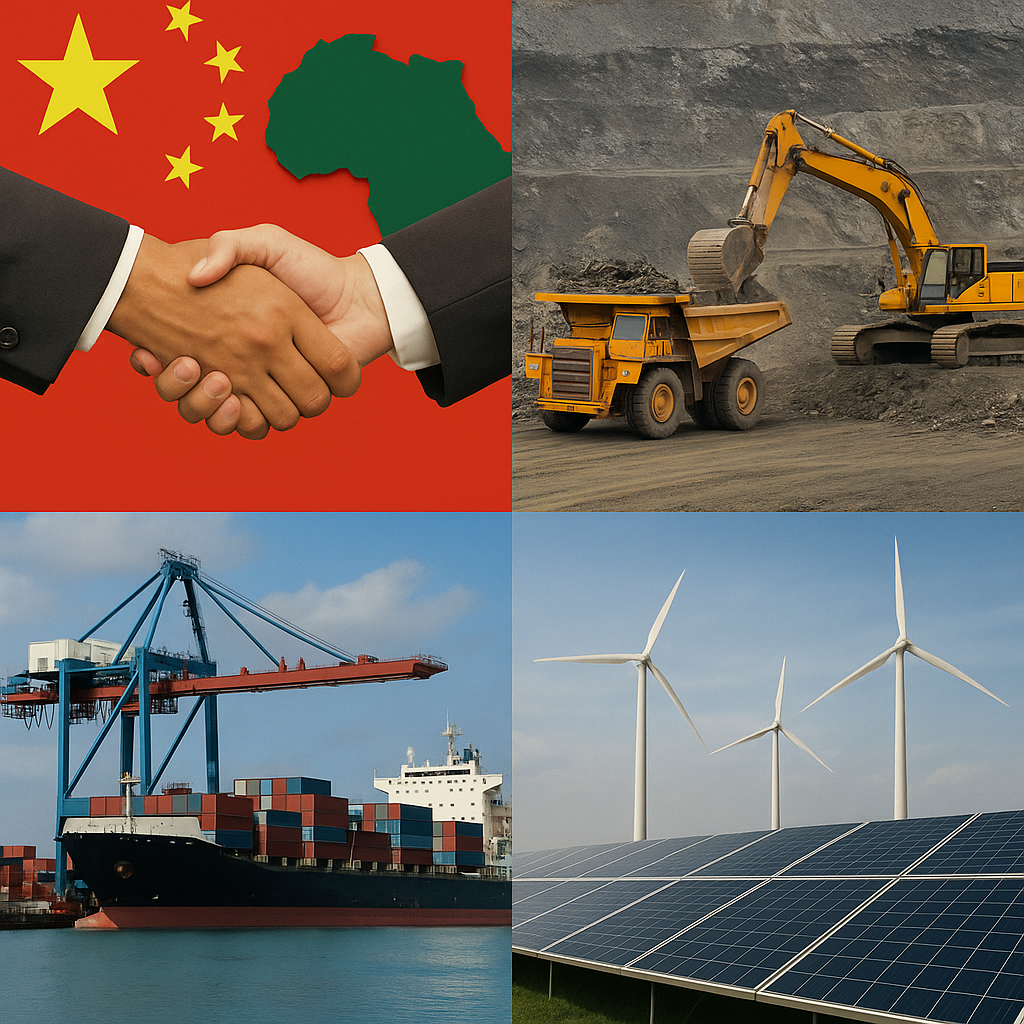
This is more than just an economic shift—it is the beginning of Africa’s most decisive battle for true independence. The new currency and central bank proposal signify a direct challenge to not only France but also the wider network of economic imperialists, including the United States, China, and the Gulf states, all of whom exploit Africa’s resources while leaving its people in perpetual struggle.
History is replete with examples of African leaders who faced dire consequences for challenging foreign dominance:
- Thomas Sankara: As President of Burkina Faso from 1983 to 1987, Sankara implemented progressive policies aimed at self-sufficiency and rejecting foreign aid. His assassination during a coup led by Blaise Compaoré is widely believed to have been orchestrated with external complicity, particularly from France, due to his anti-imperialist stance.
- Kwame Nkrumah: Ghana’s first President and a leading advocate for Pan-Africanism, Nkrumah’s vision of a united, economically independent Africa posed a significant threat to Western interests. While not assassinated, his overthrow in a 1966 coup is widely believed to have been supported by Western powers aiming to halt his progressive initiatives.
- Sylvanus Olympio: As the first President of Togo, Olympio endeavored to establish an independent currency and reduce French influence. His assassination in 1963 is considered to be linked to his economic policies that threatened colonial interests.
- Muammar Gaddafi: The Libyan leader’s push for a gold-backed pan-African currency posed a threat to Western financial interests. His 2011 assassination, following a NATO-led intervention, eliminated a significant proponent of African financial independence.
The youth of Africa, now more politically aware than ever, are rallying behind this movement, ready to defend the leaders who stand up against foreign control.

What Comes Next?
As history has shown, any leader who dares to defy the global financial order faces immediate threats. The failed attempts to overthrow the governments of Burkina Faso, Mali, and Niger are not random—they are strategic, well-financed, and executed with precision by foreign interests desperate to keep Africa shackled. But unlike in the past, Africa is watching. The youths are watching. If any harm comes to Captain Ibrahim Traoré or his counterparts, the continent’s fury will be felt like never before.
The road ahead is treacherous. Economic warfare, media propaganda, and attempted coups will escalate as the Sahel pushes forward with its currency revolution. However, Africa has reached a turning point. The success of this initiative could spark a domino effect, with more nations joining in the fight for financial freedom. This is no longer just a regional movement—it is the start of Africa’s final battle for true independence.
AfriScoop will continue monitoring the situation as the Sahel nations redefine Africa’s economic future, with or without the approval of their former captors.