China’s Voice Over-

Wasse Marlvine
8 Min Read

Title: China’s Growing Influence in African Politics: Diplomatic Pressure on Lawmakers to Withdraw from IPAC


By: Wasse Marlvine AfriScoop

April 2025 – Luanda – Angola

In a move that has raised concerns across Africa, China is reportedly increasing its diplomatic influence on African lawmakers to persuade them to withdraw from the Inter-Parliamentary Alliance on China (IPAC), a coalition that has been critical of Beijing’s policies, particularly regarding human rights issues and its treatment of ethnic minorities. The development underscores China’s growing geopolitical ambitions in Africa and its efforts to control the narrative surrounding its actions on the continent.

What is the Inter-Parliamentary Alliance on China (IPAC)?

The Inter-Parliamentary Alliance on China (IPAC) is a global coalition of lawmakers committed to holding China accountable for its human rights record, especially its actions in Hong Kong, Tibet, and Xinjiang. Established in 2020, the alliance seeks to amplify international pressure on China regarding its authoritarian policies, its handling of ethnic minority groups, and its stance on issues such as democracy and freedom of speech.

With representatives from multiple countries—including the U.S., Canada, the UK, and European nations—the IPAC has consistently criticized China for its treatment of Uyghur Muslims, its increasing control over Hong Kong, and its expanding geopolitical influence, particularly in Africa.

China’s Growing Influence in Africa

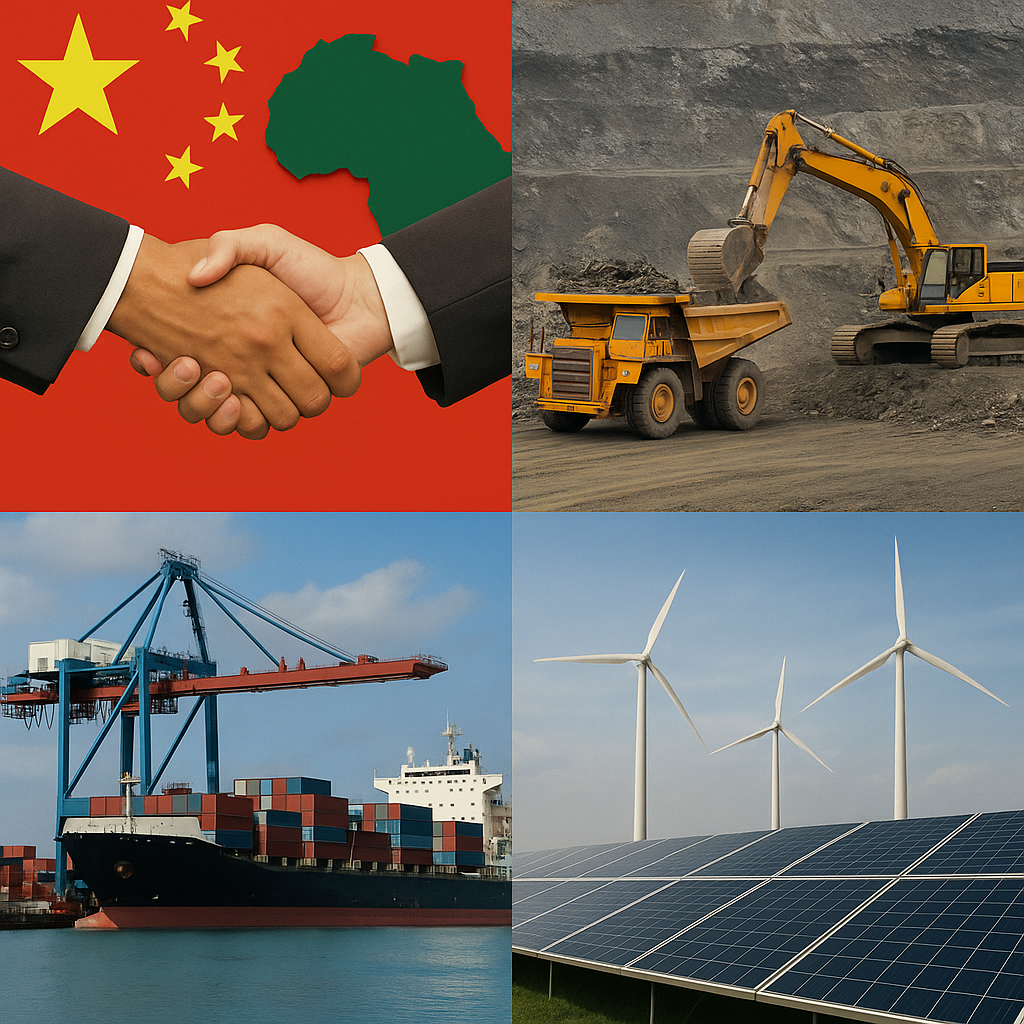
Over the past two decades, China has become one of Africa’s most important trade partners, pouring billions of dollars into infrastructure projects, resource extraction, and development assistance. Through the Belt and Road Initiative (BRI), China has significantly increased its presence on the continent, securing numerous business deals, building roads, railways, and ports, and offering loans to many African countries.

While many African nations have benefited from China’s investments, this growing relationship has also raised questions about Beijing’s political influence. Critics argue that China is using its economic power to secure political loyalty, often at the expense of democratic values and human rights.

Diplomatic Pressure on African Lawmakers

Recent reports suggest that China has begun exerting pressure on African lawmakers to withdraw from IPAC, fearing the coalition’s stance could jeopardize its strategic partnerships with African countries. According to sources, Chinese diplomats have approached several African governments, encouraging them to distance themselves from the alliance and adopt a more favorable view of Beijing’s policies.

This diplomatic maneuver comes at a time when China’s soft power in Africa is at an all-time high. The country has cultivated strong ties with African governments, particularly in resource-rich nations like Angola, Nigeria, and South Africa, where Chinese companies have significant investments. In return, Beijing has gained considerable political leverage, often using trade agreements and development aid as tools to solidify its influence.

Chinese diplomats are reportedly framing their requests in terms of maintaining positive bilateral relations, with suggestions that African nations’ alignment with IPAC could harm their diplomatic and economic ties with China. As a result, some lawmakers from African countries that are part of IPAC have already begun to express doubts about their continued membership in the alliance.

The Risks of Alignment with China

While African nations face economic pressures to maintain strong ties with China, they also face growing concerns about Beijing’s long-term intentions on the continent. Critics argue that China’s influence may come at the cost of Africa’s sovereignty, particularly as Chinese-funded projects come with high-interest loans, raising fears of debt traps. Moreover, some African countries have expressed frustration over China’s lack of transparency in dealing with local issues, such as labor rights, environmental protection, and governance.

Aligning too closely with China could also limit African countries’ ability to speak out on issues such as human rights and democracy. As more African lawmakers withdraw from IPAC, it raises questions about the balance between economic development and the preservation of democratic values in Africa’s political landscape.

In the long term, this growing influence of China in African politics could alter the way African nations engage with the world. Beijing’s increasing political leverage could mean less support for African countries from traditional Western allies, particularly in areas of human rights, governance, and democracy.

Africa’s Position: A Delicate Balance

For African countries, navigating the delicate balance between China and the West is becoming increasingly difficult. On one hand, China offers vast economic opportunities through infrastructure investments, trade, and financial support. On the other hand, the Chinese government’s stance on human rights, freedom of speech, and democracy has been a point of contention for many Western nations, leading to growing concerns over Africa’s relationships with China.

The question many African lawmakers are now grappling with is whether their countries should prioritize economic growth and development or uphold the values of democracy and human rights, especially when those values conflict with China’s policies.

Africa’s political leaders are finding themselves at a crossroads, having to decide whether to align more closely with China’s growing influence or to join global efforts like IPAC to promote human rights and democratic values. The stakes are high, as these decisions will shape Africa’s geopolitical future for decades to come.

A Call for African Autonomy

As China continues to expand its influence in Africa, the need for African nations to assert their autonomy becomes more critical. It is essential that African governments strike a balance between maintaining strategic economic relationships and safeguarding the principles of democracy, human rights, and self-determination. Africa’s diverse political landscape provides a unique opportunity for nations to chart their own course without being unduly influenced by foreign powers, whether from Beijing or the West.

The growing pressure to withdraw from IPAC illustrates the extent to which external forces are trying to shape African politics. It’s time for African nations to reconsider their relationships and make decisions based on their own long-term interests, free from external interference.

Conclusion: Africa Must Decide Its Own Path

China’s growing diplomatic pressure on African lawmakers to withdraw from IPAC is a stark reminder of the delicate balancing act African countries must perform in today’s globalized world. As African governments continue to strengthen their ties with Beijing, they must also consider the potential costs to their political autonomy, human rights standards, and democratic values.

The future of African politics lies in the ability of African nations to make decisions that serve their people’s best interests, rather than being swayed by the geopolitical ambitions of powerful external players. Africa’s time to assert its sovereignty and build a future that reflects its diverse aspirations and values is now.


Stay informed with more updates on African politics at AfriScoop.

Share This Article
Leave a Comment

Leave a Reply

Your email address will not be published. Required fields are marked *