South African Rand Strengthens, But African Nations Should Remain Cautious: A Reminder of Global Power Dynamics
April 10, 2025 – Johannesburg, South Africa
By Wasse Marlvine
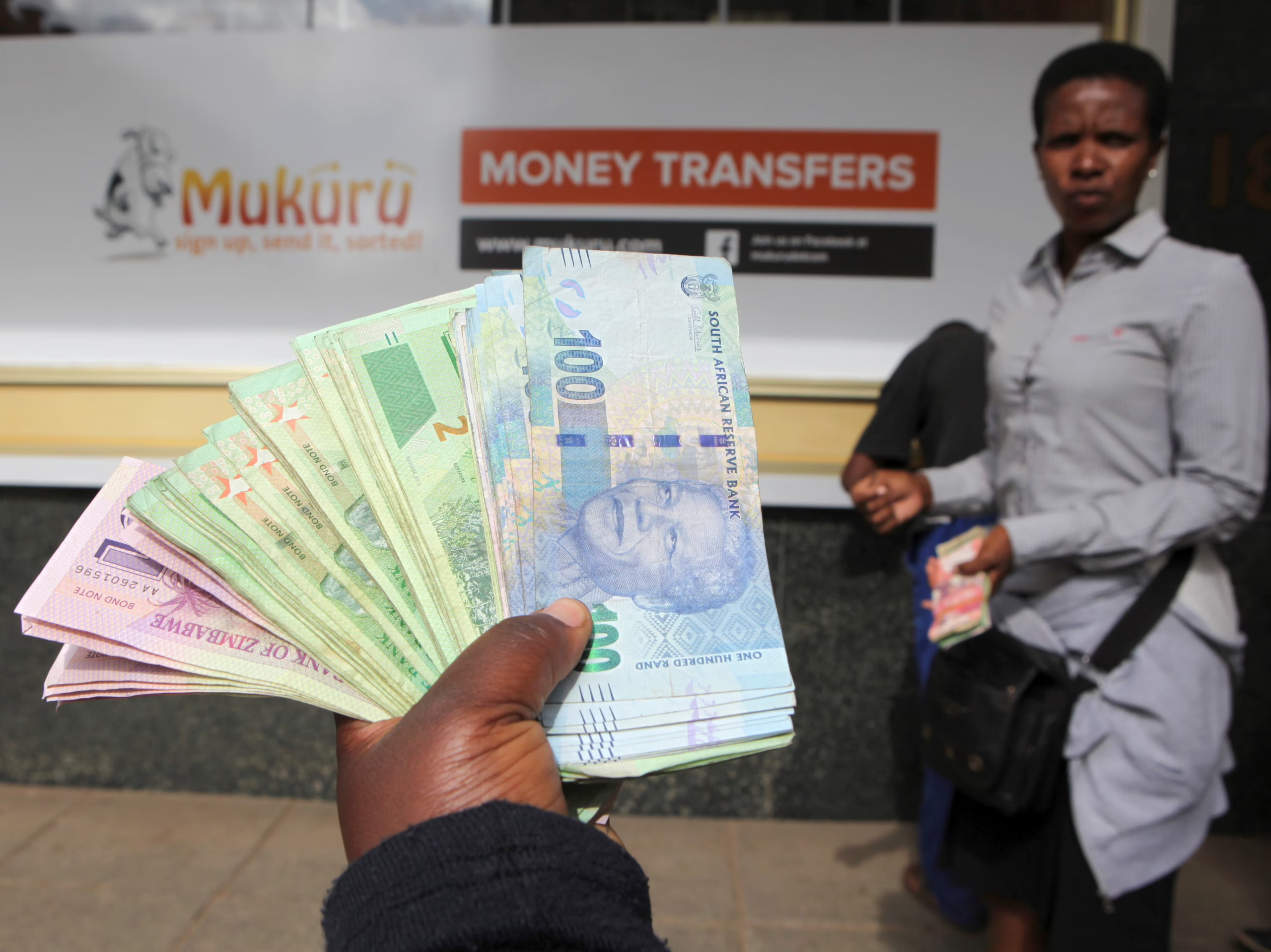
The South African rand has shown some resilience, strengthening by approximately 0.4% to trade at 19.25 against the U.S. dollar. This recovery follows U.S. President Donald Trump’s recent decision to implement a 90-day pause on tariffs affecting a range of countries, including South Africa. On the surface, this might seem like a reason for optimism, but for African nations at large, it’s a stark reminder of the vulnerability and fragility of their economies in the face of global power politics.
A Temporary Reprieve, But Not A Resounding Victory
While the pause in tariffs provides a temporary boost to the rand, African leaders should be cautious in interpreting this as a sign of long-term stability. This is not a victory for African economic autonomy — far from it. The underlying fact remains: the decision to pause tariffs was made by a foreign power, and one that holds considerable sway over the economic fates of nations across the globe. For Africa, this merely underscores the continent’s economic dependence on foreign policies that can shift dramatically at the whim of global powers.
The U.S. tariffs on goods from countries like South Africa were initially implemented as part of a broader trade war strategy to rebalance global trade. While the recent tariff freeze has temporarily alleviated some pressure, the specter of these tariffs — along with the 10% blanket duty on nearly all U.S. imports still in place — continues to loom large.
Economic Vulnerability: A Broader Pattern
The rand’s brief recovery is not entirely due to domestic factors; the decision from the U.S. illustrates the sheer power foreign governments wield over African economies. The pause, rather than signaling economic autonomy for South Africa or Africa at large, instead shows just how susceptible African nations remain to external pressures.
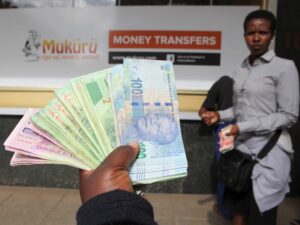
This isn’t just a South African issue — it’s a continental one. Many African economies are highly dependent on trade relationships with the U.S. and Europe. Yet, despite recent efforts to strengthen regional economic ties and increase intra-Africa trade, African economies remain deeply intertwined with the whims of foreign powers.
And even as some African countries see the temporary benefit of this tariff relief, the fact remains that the continent’s economic sovereignty is still shackled by external forces. In this case, the U.S. controls the mechanisms that could allow African economies to thrive or falter. While the rand’s short-term bounce is a positive sign for South Africa, it serves as a cautionary tale for the rest of the continent. African nations should not breathe easy — this is not a moment to celebrate, but rather a moment to acknowledge the ongoing vulnerability to the larger geopolitical systems at play.
The Domestic Struggles and Political Uncertainty
Domestically, South Africa’s economy remains mired in uncertainty. A recent budget dispute, which saw the Democratic Alliance (DA) party — the second-largest in the ruling coalition — challenge key budget legislation and take the process to court, has only added fuel to the fire of economic instability. Investor confidence, already fragile after a series of political missteps, continues to be shaken by the ongoing tussles within the ruling party.
In times of global economic uncertainty, such domestic political crises only exacerbate vulnerabilities. Investors are increasingly wary, not just of external trade issues, but of the internal governance challenges that can derail any long-term economic growth. As a result, despite a brief uptick in the rand’s value, South Africa remains in a precarious position.
A Wake-Up Call for African Leaders
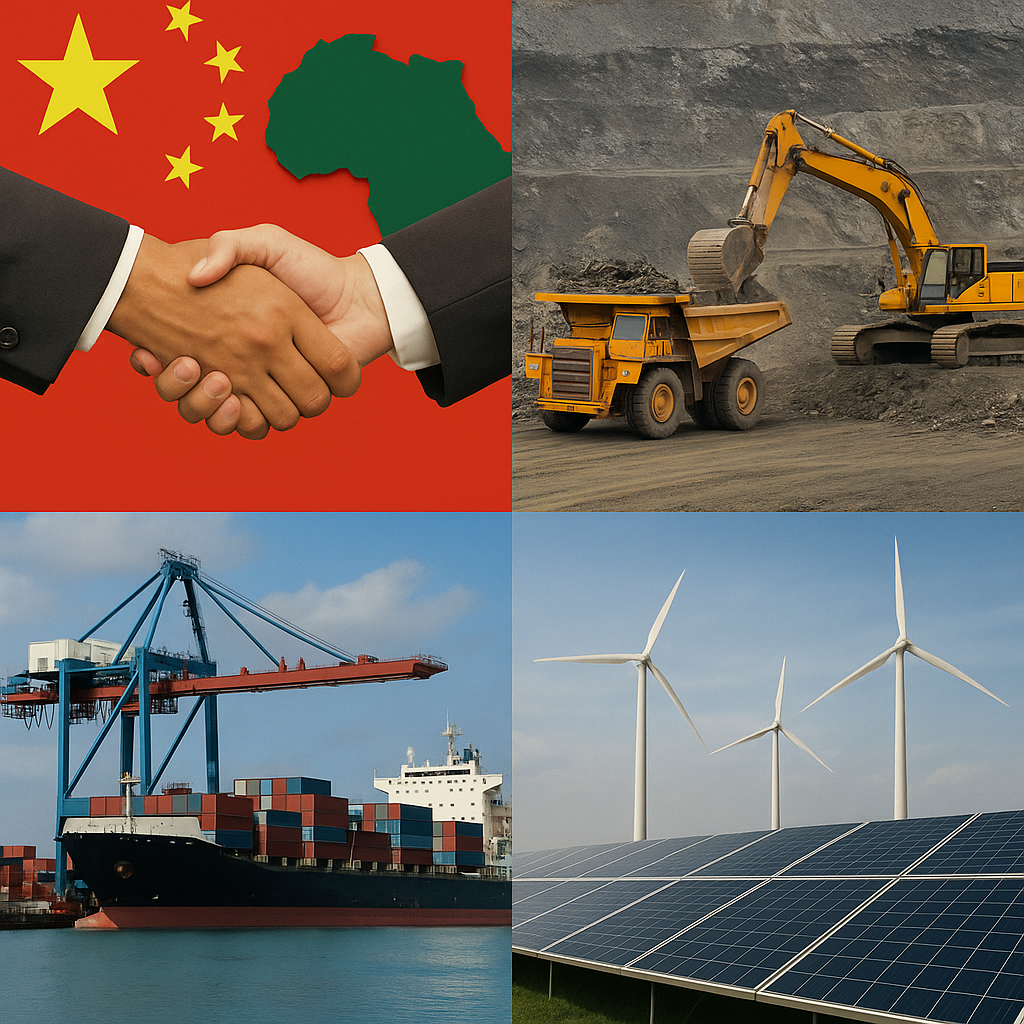
The situation in South Africa — and the broader African context — serves as an important reminder for leaders across the continent: the ability to shape one’s economic future is still overwhelmingly dependent on the whims of foreign powers. While this brief pause in U.S. tariffs may provide a temporary sigh of relief, it also reaffirms a sobering truth: African nations’ economic fates are largely shaped by decisions made in Washington, Brussels, and Beijing — not in Addis Ababa or Pretoria.
To move beyond this vulnerability, Africa needs to continue pushing for stronger intra-regional trade agreements, enhance economic diversification, and reduce dependence on external actors. However, until these shifts take root, the rand’s brief recovery should be seen for what it is — a temporary reprieve, not a long-term solution.
Bottom Line:
While the pause in U.S. tariffs offers a brief moment of relief for South Africa and its currency, the broader economic picture remains unchanged: Africa’s economic independence remains a distant aspiration, not yet realized. The continent’s future is still very much in the hands of foreign powers — a reality that African leaders must confront as they chart their path forward.