Title: Spotify’s Impact on African Music: From Afrobeat to Social Change
By: Wasse Marlvine
April 09 2025| Lagos Nigeria

In an exciting development for African artists, Spotify has dramatically raised its royalty payouts to Nigerian and South African musicians in 2024, signaling a huge boost in the global recognition of African music. With a staggering $59 million in payouts—more than double what Nigerian artists earned the year before—Spotify’s latest report shows the growing financial power of African sounds. In particular, Nigerian artists pocketed over 58 billion naira (around $38 million), while South African artists earned 400 million rand (about $21 million). These figures not only highlight the growing economic power of African music but also serve as a powerful example of what can happen when people unite behind a shared cultural movement.
The Sound of Unity: A Global Movement
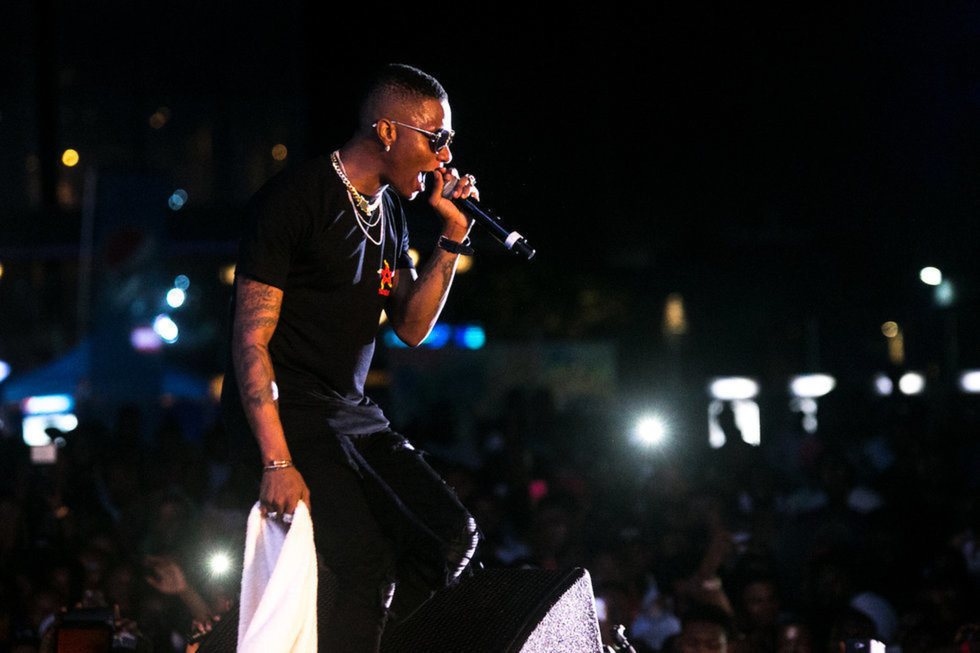
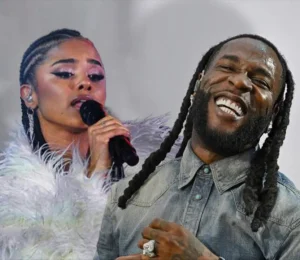
The rise of genres like Afrobeat and Amapiano is not just a trend; it’s a revolution. Artists such as Burna Boy, Wizkid, and Tyla have transcended borders, pushing African music to the forefront of the global stage. What began as regional sounds in Nigeria and South Africa has now become a global phenomenon, echoing in clubs, radio stations, and streaming platforms worldwide.
Spotify’s record payouts to these artists reflect the collective power of the African music community. Just as fans around the world have rallied behind Afrobeat and Amapiano, the financial success of these genres shows the potential when African culture is not only embraced but supported on a global scale. It’s the power of unity, where listeners, artists, and platforms all come together to fuel a cultural movement that benefits everyone involved.
But what happens when that same energy is applied to other parts of African society—politics, economics, and social movements?
From Music to Movement: Africa’s Collective Strength
The rise of Afrobeat and Amapiano shows us how much impact can be made when people unite behind something they believe in. It’s not just about music; it’s about the power of collective action and shared identity. If this same energy could be channeled toward broader social and political movements, Africa’s potential could be limitless.
Just like how African artists have gained international fame, political leaders and movements across the continent are showing that they too can make an impact. Figures like Ibrahim Traoré in Burkina Faso are rallying people around a common cause, showing that when the people stand behind a leader with vision and integrity, progress is possible. Africans are ready to push for more—whether it’s in the political arena, economic reform, or governance.
The question remains, though: Why is there still such a gap between the elites of Africa and the everyday citizens who drive cultural and social change?
The Divide: Elites and Everyday Citizens
While the music scene shows the power of unity, a stark divide remains between the political elite and ordinary citizens in many African countries. Despite the continent’s immense resources and potential, the gap between the wealthy few and the majority of Africans continues to grow. This divide is fueled by entrenched systems of power, economic inequality, and a lack of access to basic resources for many people.
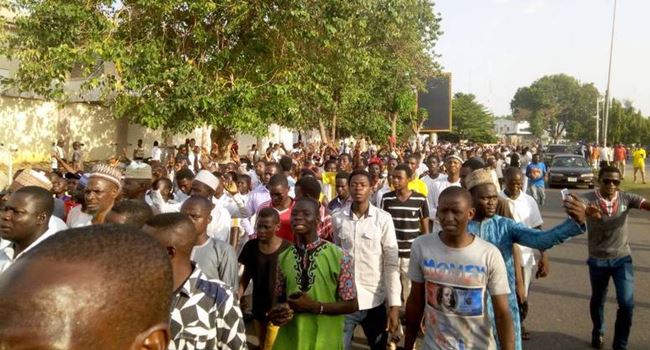
African elites, often insulated from the daily struggles faced by ordinary citizens, are sometimes seen as out of touch. This creates a disconnect between the people and those in power. But history has shown us that when ordinary citizens mobilize, they can push for change—and this is exactly what we’ve seen in movements like #EndSARS in Nigeria.
The real challenge now is turning this energy into sustained, systemic change that can bridge the gap between the haves and the have-nots.

Harnessing the Energy: Music, Culture, and Governance
If African music can gain global recognition through the collective support of fans, artists, and platforms like Spotify, then why can’t the same be done for social and political movements? The truth is, the energy that powers Afrobeat and Amapiano can—and should—be translated into political and social change. Just as global fans are supporting African artists, so too can citizens rally behind movements that push for better governance, transparency, and accountability.
Spotify’s increased payouts are a clear example of what happens when the people and platforms stand together for a common cause. The same unity that drives music can be used to drive social reform. Africans are already showing that they’re ready to stand behind leaders and causes that push for real progress. The next step is to ensure that this momentum is not just a fleeting moment but a sustained effort that brings tangible change.
The Future: Unity, Education, and Long-Term Change
To close the gap between Africa’s elites and its citizens, we need unity, education, and a commitment to long-term reform. Just like how the global music scene is educating listeners about African culture, the people must be educated about their power to demand change. When Africans understand that their collective strength is their greatest asset, they will be able to push for policies and leaders that truly represent their needs.
But it’s not just about mobilizing for short-term gains—it’s about creating a system that works for everyone, not just the elites. There must be sustained investment in people, education, and infrastructure. Decentralizing power, ensuring equal access to opportunities, and holding leaders accountable will be key to ensuring that the progress we see in music can be replicated across all sectors.

Conclusion: From Music to Change
Spotify’s commitment to supporting African artists is more than just about royalties—it’s about recognizing the immense cultural power of Africa. As Afrobeat and Amapiano continue to take the world by storm, we are reminded of what’s possible when a people unite behind a common cause.
If Africa can achieve global recognition for its music, it can achieve the same for its governance, economy, and society. The key lies in the collective will—whether in music, politics, or social reform. If the people continue to stand together, the elite will have no choice but to listen.
With the same energy that has transformed African music, the future of Africa can—and should—be one where leaders work hand in hand with their citizens to create a more just, prosperous, and united continent. The people have spoken, and the future is theirs.