Senegal Takes Bold Step Toward Justice with Amnesty Law Revisions
By Wasse Marlvine
Dakar| April 4, 2025
Africa’s New Wave: Young Presidents, Human Rights, and the Future of Justice
Africa stands at a pivotal moment in its political evolution. The continent, historically governed by long-serving leaders, is now witnessing the rise of a new generation of youthful presidents determined to break from the past. This shift, driven by young leaders with fresh ideas and promises of reform, is stirring hope among the African people—yet it also raises significant questions about the future of democracy, human rights, and justice. The question is: will these new leaders truly bring change, or will they fall into the same traps of their predecessors?
The Rise of a New Generation of Leaders
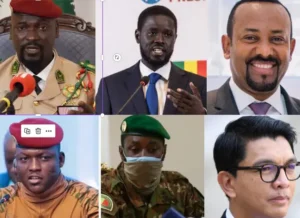
Across Africa, young presidents are emerging from both democratic and military routes, signaling a desire for transformation. Among these new leaders is Ibrahim Traoré, Burkina Faso’s 36-year-old president, who took power following a military coup in 2022. His rise is seen as a reaction to the failed political systems that have long struggled with corruption and insecurity. Traoré is now tasked with leading a nation ravaged by insurgency, but his challenge goes beyond mere military control—he must deliver on the promise of reform, security, and governance that reflects the will of the people.
Similarly, Mahamat Idriss Déby of Chad, at just 39, inherited the presidency after his father’s death in 2021. As the head of the Transitional Military Council, Mahamat faces both domestic pressures for democracy and international criticism for the military’s hold on power. Despite the challenges, he has vowed to navigate Chad towards a more inclusive political system.
In Mali, Assimi Goïta, aged 41, became president after leading two coups in less than a year. Despite his promises to restore democracy, his military-backed rule raises questions about his commitment to constitutional governance. In Guinea, Mamady Doumbouya, 44, took power in a 2021 coup and faces a delicate balancing act as he seeks to transition Guinea from military rule to civilian-led governance. These young leaders represent the wave of change sweeping across Africa, but their ability to sustain that change will determine the future trajectory of their nations.
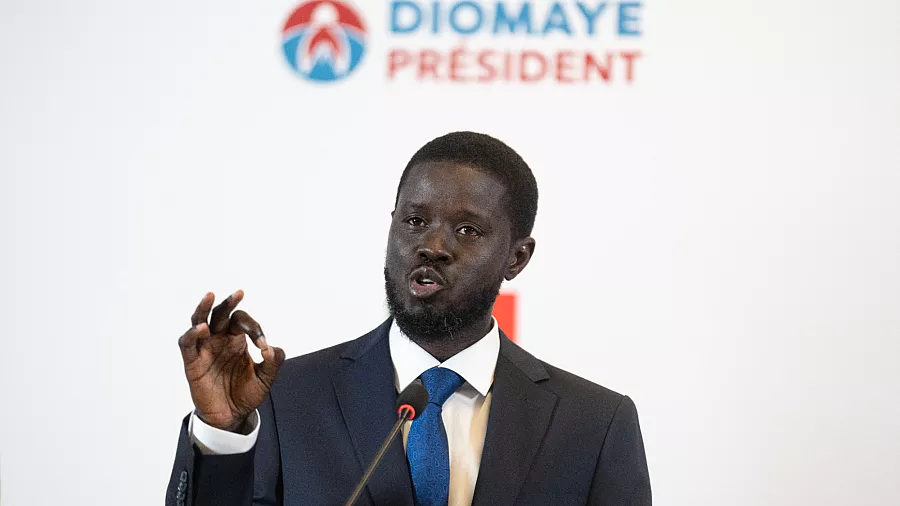
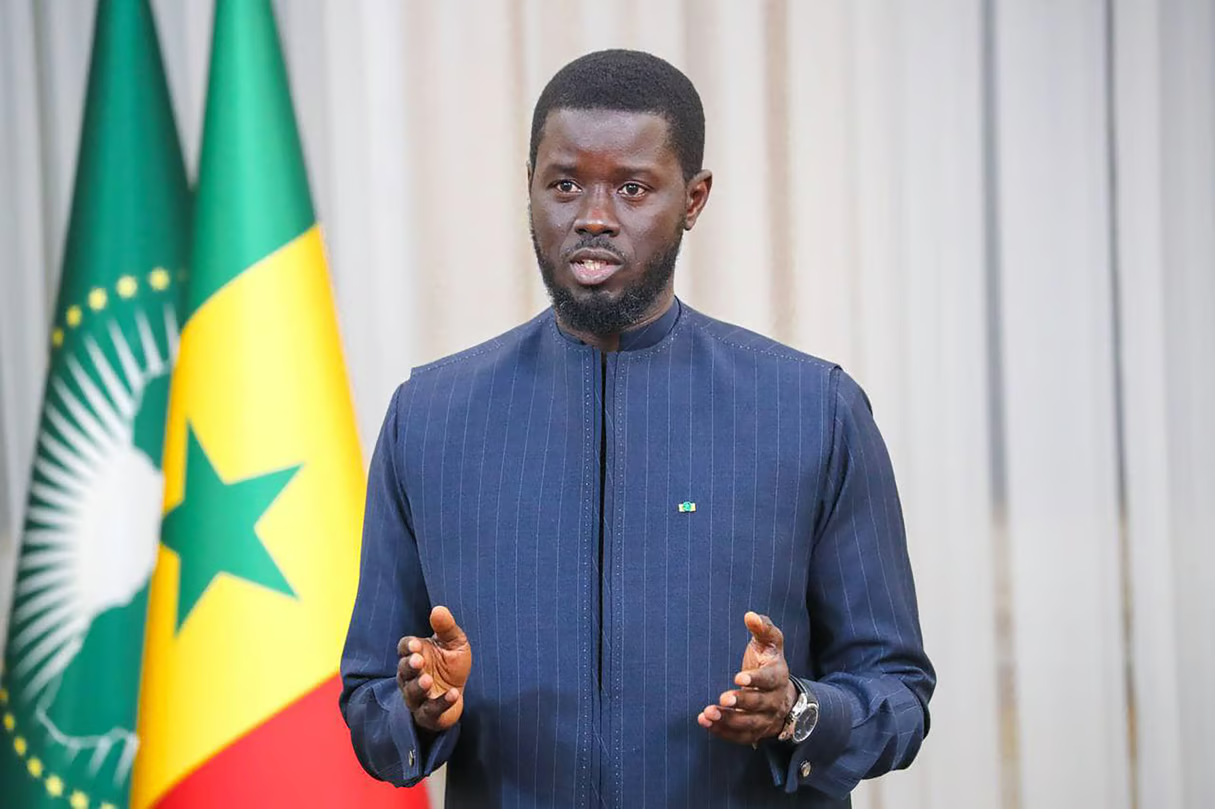
Meanwhile, Bassirou Diomaye Faye, Senegal’s new president, elected in 2024, represents a potential break from the old political guard. At 44, Faye’s ascent offers hope for a country that has long been stable but now faces growing dissatisfaction with its leadership. In Ethiopia, Abiy Ahmed, 47, has had a complex tenure since taking office in 2018. Once celebrated for his reforms and peace efforts, his leadership has been marred by the Tigray conflict and mounting internal political instability. Despite this, Abiy remains a key figure in the region’s political landscape.
Lastly, Andry Rajoelina, 49, has become a major force in Madagascar since his presidency began in 2019, bringing entrepreneurial energy to the nation while navigating significant political challenges.
Youthful Leadership Meets the Challenge of Human Rights
With a new generation at the helm, Africa’s human rights landscape is also undergoing transformation. While many of these young leaders have promised to focus on human rights, their ability to deliver on those promises remains a central issue. In some countries, like Senegal, we are seeing steps toward justice. In early 2024, Senegal revised its amnesty laws to ensure that grave crimes like murder and torture are not exempt from prosecution—a significant move that signals a shift toward prioritizing justice over political expediency. For many across Africa, this is a much-needed victory in a continent where political elites have often escaped accountability for their actions.
But not all young leaders are following the same path. Several, like Goïta and Doumbouya, came to power through military coups, which inherently undermine the democratic principles they claim to support. Military rule continues to suppress freedoms in many of these countries, from the freedom of speech to the right to protest. Human rights violations often persist under their reigns, and their ability to transform their countries into more democratic, rights-respecting societies remains uncertain.
While they promise reform, the reality is more complicated. Many of these leaders are forced to balance the demands for greater political freedoms with the need to maintain control in unstable environments. This delicate balance will determine how their leadership is remembered—whether as a force for positive change or as another chapter in Africa’s long struggle with authoritarianism.
The Future of Africa’s Justice System: Can Young Presidents Deliver?
The transformation of Africa’s justice system is at the heart of this generational shift. Across the continent, justice systems have been plagued by corruption, inefficiency, and political interference. This has led to a lack of trust in the courts and legal institutions, which often fail to hold powerful figures accountable. But with the rise of young leaders, there is a glimmer of hope that things might change.
The Role of Judicial Reform: One of the most significant promises of these young leaders is judicial reform. To tackle corruption and build stronger legal systems, young presidents like Traoré, Goïta, and Doumbouya must ensure that their justice systems are independent, transparent, and accessible to all citizens. Traoré’s government, for example, has expressed a desire to rid the country of corrupt practices in the military and politics. Whether these leaders will be able to deliver on such ambitious promises is still uncertain, but the demand for reform has never been greater.
Human Rights and the Law: A critical aspect of this reform is ensuring that justice is aligned with human rights. The African people are demanding more than just stability—they are calling for a legal system that protects their fundamental freedoms and upholds the rule of law. The actions of leaders like Faye in Senegal, who revised amnesty laws, suggest that the continent might be moving towards a more just future. However, much work remains, as the continent still grapples with the legacies of military rule, political repression, and a lack of judicial independence.
The Pressing Need for Accountability: The future of Africa’s justice systems will depend largely on the ability of these young leaders to confront the legacy of impunity that has long dominated the political elite. Will they hold themselves and their predecessors accountable for past abuses? Can they build independent courts that genuinely serve the people? These are the questions that will determine whether Africa’s new generation of leaders can create systems of justice that are truly fair and transparent.
The Tension Between the Old and the New
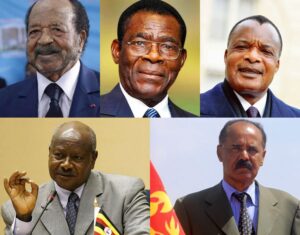
These young leaders are not operating in a vacuum. The old guard—figures like Paul Biya of Cameroon and Teodoro Obiang Nguema of Equatorial Guinea—remain entrenched in power, ruling through a mix of patronage, repression, and political manipulation. Their long tenures have often been marked by authoritarian rule, economic stagnation, and widespread corruption.
But the rise of the younger generation presents a challenge to this entrenched leadership. The older leaders may have the experience and power to maintain control, but the youth of Africa, who make up the majority of the population, are increasingly demanding change. The question is whether the new generation of leaders will fall into the same patterns of governance as the old guard, or whether they will create something new, something truly democratic and just.
The Road Ahead: A Call for Action
As Africa moves forward, the actions of its young presidents will determine the continent’s political future. For the African common man, this is a moment of both hope and caution. The promises of reform and justice made by these young leaders must be met with tangible action. It is not enough to speak of change—the people of Africa demand it. Whether these leaders will be able to deliver on their promises, or whether they will fall short, is the question that will shape Africa’s political and legal landscape for years to come.
Africa’s youth are no longer waiting for change—they are demanding it. And the time to act is now. The future of justice, human rights, and democracy in Africa rests in the hands of its next generation of leaders. Will they rise to the occasion? The world is watching.