South Korea-Tanzania Economic Partnership
By Wasse Marlvine
Economic Desk
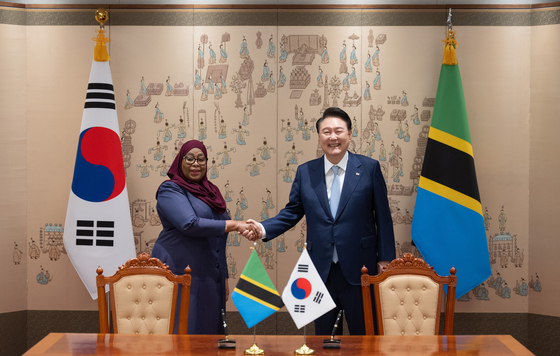
Tanzania and South Korea have initiated negotiations for an Economic Partnership Agreement (EPA), aiming to strengthen trade and investment relations. While this development brings promise, past collaborations offer lessons that should shape the way forward.

Past Partnerships: Successes and Shortfalls
South Korea has played a notable role in Tanzania’s development, particularly in infrastructure and technology. The Tanzania-Korea Information Access Center in Dar es Salaam stands as a success story, improving digital literacy. In the energy sector, Korean involvement in the Stiegler’s Gorge hydropower project has contributed to Tanzania’s renewable energy goals.
Trade relations have also grown, with South Korea importing Tanzanian agricultural products such as coffee, cashews, and tobacco. However, past agreements have often tilted in favor of Korea, with trade imbalances and bureaucratic challenges limiting Tanzania’s gains.
The New Economic Partnership: What’s at Stake?
Key areas expected to dominate discussions include:
- Infrastructure – South Korea’s expertise in smart cities and transport could modernize Tanzania’s urban centers.
- Technology Transfer – Greater ICT collaboration could boost Tanzania’s digital economy.
- Industrial Growth – Manufacturing partnerships may help develop Tanzania’s production capacity.
- Agricultural Trade – A well-negotiated deal could improve market access for Tanzanian exports.
Challenges and Considerations
Lessons from past agreements with Korea and other nations—such as Ghana and Ethiopia—show that sustainability depends on balanced terms. Tanzania must ensure that this deal fosters job creation, skills transfer, and industrialization, rather than serving as a mere gateway for Korean firms.
Looking Ahead
As negotiations unfold, Tanzania has the opportunity to secure a fair deal that fosters long-term growth and economic resilience. AfriScoop will continue tracking developments to ensure that this partnership benefits Tanzania beyond just figures on paper.