“When Policies Fail: The Hidden Cost of Africa’s Broken Systems on Everyday Lives”
By Wasse Marlvine
How Governance Failures Push Africa’s People to Desperation
Conservation Gone Wrong: When Elephants Replace Livelihoods
On the Malawi-Zambia border, a supposed conservation success story has become a humanitarian crisis. Over 260 elephants were relocated to the region by international wildlife organizations, but instead of fostering eco-tourism, the move has led to 12 deaths, widespread injuries, and the destruction of farmland.
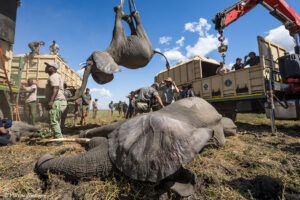
For locals, the situation is more than just an inconvenience—it is a direct attack on their ability to survive. With no compensation for lost crops and no effective protective measures in place, families are left defenseless.
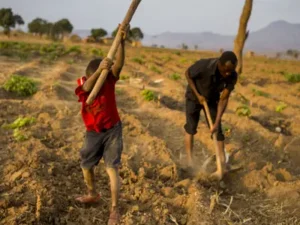
“We were told this would bring development,” says Robert Chibwe, a farmer from the region. “Now, we are left with nothing. The elephants eat our food, destroy our homes, and if we complain, we are ignored.”
The failure is not just in the relocation itself but in the lack of a structured response. Governments signed off on conservation agreements but failed to ensure local communities were protected. Meanwhile, villagers are left to choose between migration, illegal hunting, or starvation.
A System That Fails Its People
This crisis is not unique to conservation. Across Africa, people find themselves abandoned by systems meant to protect them. In the sports sector, the recent match-fixing allegations against Kenyan goalkeeper Patrick Matasi highlight yet another symptom of Africa’s broken infrastructure.

Match-fixing is not simply a case of individual wrongdoing—it exposes the deeper problem of underfunded sports institutions, lack of player security, and the unchecked influence of foreign betting syndicates. Many African athletes are left with no contracts, no proper wages, and no financial stability. In such an environment, corruption is not just a temptation—it becomes inevitable.
“If a national team player is struggling financially, what does that say about the state of the sport?” one anonymous player remarked. “We are playing for pride, but pride doesn’t feed our families.”
When Leadership Fails, People Suffer
What links these stories is a pattern of systemic failure. Governments approve projects without ensuring safeguards. Institutions exist, but they fail to function. Laws are in place, but enforcement is selective. The result? A continent where the people who should benefit from policies are instead left struggling against them.

The problem is not a lack of resources—Africa is rich in land, talent, and opportunity. The issue is that the structures meant to harness these assets for the benefit of all remain weak, underfunded, or compromised. Meanwhile, the people paying the price are everyday Africans who are forced to survive in a system that rarely works for them.
If Africa is to build a better future, these failures cannot go unquestioned. Governments must be held accountable for ensuring that policies work in practice, not just on paper. Conservation should uplift communities, not destroy them. Sports should empower athletes, not leave them vulnerable to exploitation.
Until these issues are addressed, the continent will continue to see its people pushed into desperate choices—not because they lack integrity, but because they lack options.