Trump’s Ambassador Nomination: A New Chapter in U.S.-South Africa Tensions
By Wasse Marlvine
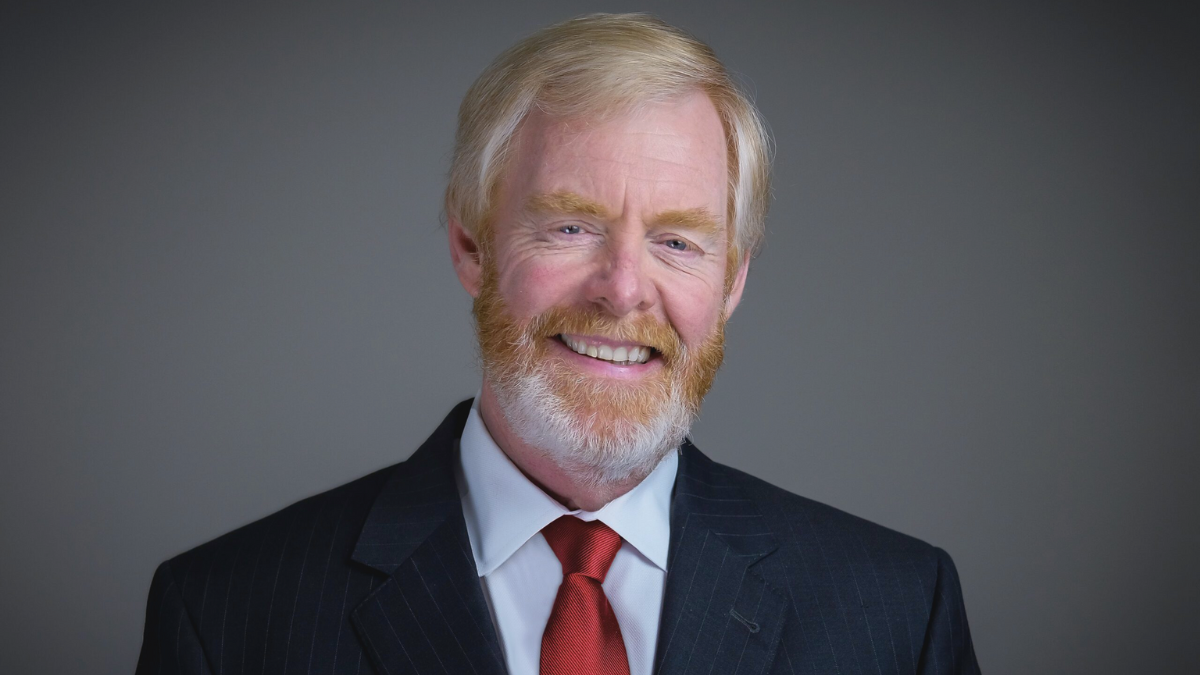
As diplomatic relations between South Africa and the United States continue to deteriorate, U.S. President Donald Trump has nominated Leo Brent Bozell III as the new ambassador to Pretoria—a move seen by many as a deliberate provocation rather than a gesture of goodwill.
Bozell, a staunch conservative media critic and pro-Israel commentator, has long been known for his hardline stance on foreign relations. His nomination comes just months after South Africa expelled U.S. Ambassador Ebrahim Rasool for openly criticizing Trump’s policies, further deepening tensions between the two nations.
With the U.S. and South Africa already at odds over issues like land reform, trade policies, and South Africa’s diplomatic stance on Palestine, Bozell’s appointment signals a potentially rocky period ahead.
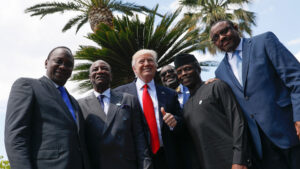
South Africa’s Strained Ties with Washington: A History of Mistrust
The relationship between South Africa and the U.S. has been anything but smooth. In recent years, tensions have flared over:
Land Reform Policies: Trump falsely accused the South African government of orchestrating a genocide against white farmers, leading to a freeze in U.S. aid and investment.
BRICS Membership: South Africa’s deepening economic and political ties with China, Russia, and other BRICS nations have caused unease in Washington, which sees it as a shift away from Western influence.
Palestine and Israel: Pretoria has taken a strong pro-Palestinian stance, even referring Israel to the International Court of Justice for alleged war crimes—an action that put South Africa directly at odds with U.S. foreign policy.
Trump’s choice of ambassador—a vocal supporter of Israel and critic of left-wing governments—suggests that the U.S. is preparing for a more confrontational approach rather than attempting to mend ties.
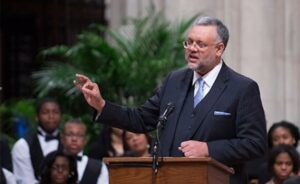
What Does This Mean for Africa’s Diplomatic Independence?
For Africa, this episode is more than just a dispute between two nations—it highlights the continent’s struggle to assert its own diplomatic sovereignty. The U.S. has long used aid, trade agreements, and military partnerships to influence African policy decisions, often punishing governments that do not align with its interests.
South Africa, as one of the continent’s most politically influential nations, has refused to bow to U.S. pressure. By standing firm on issues like Palestine and land reform, Pretoria is setting an example for other African nations that have often been pressured into compliance by Western powers.
The bigger question is: Can Africa truly escape the cycle of Western diplomatic dominance? Will more nations follow South Africa’s lead in charting an independent foreign policy, or will economic dependence on the U.S. force them to compromise?
The Road Ahead: Diplomatic Firestorm or Reset?
South Africa’s response to Bozell’s appointment will be crucial. Will President Cyril Ramaphosa accept the nomination and attempt to work with the controversial ambassador, or will Pretoria push back and risk further economic and diplomatic fallout?

One thing is certain—this is not just about an ambassador. This is a battle over South Africa’s right to define its own policies without external interference. The outcome will shape not only U.S.-South Africa relations but also how Africa positions itself in global power struggles.
AfriScoop will continue to monitor the situation as South Africa navigates this diplomatic minefield. The days of Western dominance over African foreign policy may be coming to an end—but at what cost?