By Wasse Marlvine
The Nigerian government’s recent economic reforms have earned applause from foreign investors and international financial institutions. With the removal of fuel subsidies and a currency devaluation aimed at creating a more market-driven economy, Nigeria is positioning itself as an attractive destination for foreign capital. Investors now enjoy higher bond yields and a more predictable business environment. For policymakers, this signals a long-awaited economic reset, one that they argue will set the country on a path to sustainable growth and self-reliance.
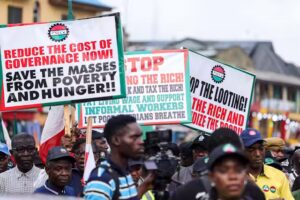
However, while boardrooms across the globe smile at these policies, the reality on the streets of Lagos, Kano, Enugu, and countless other towns tells a far grimmer story. The average Nigerian is struggling to cope with the ripple effects of reforms that are, for now, increasing poverty rather than alleviating it.
| Aspect | What’s happening on paper | What it means for the layman |
|---|---|---|
| Fuel | The removal of subsidies frees up government funds for infrastructure and other pressing national needs. | Petrol prices have skyrocketed from around N185 to over N600 per litre. Transport costs have surged, and with them, the prices of everyday goods. Markets are emptier, and families are being forced to adjust to a grim new reality. |
| Food prices | Prices are now determined by market forces, designed to encourage domestic production and reduce smuggling. | Food inflation has reached alarming levels. A bag of rice that once cost N25,000 now goes for N65,000 or more. Families are cutting back on meals or substituting once-standard food items with cheaper, less nutritious alternatives. |
| Electricity and energy | Tariffs are being made cost-reflective to attract investment and improve service delivery. | Power bills have doubled in many areas, even as supply remains inconsistent. Generators are too expensive to fuel, leaving small businesses and households in prolonged darkness. |
| Transport | The market is adjusting to reflect true costs, enabling better planning for future transport infrastructure. | Transport fares have become unaffordable. Workers are trekking long distances or staying home altogether. Daily commuting, once routine, has become a luxury for many. |
| Salaries | The government and private sector are slow to adjust wages but emphasize patience for long-term economic health. | Salaries remain stagnant, while the cost of living soars. Workers are increasingly unable to meet basic needs, and morale is plummeting. |
| Small business | A more open, investor-friendly climate is expected to encourage larger investments and job creation. | Small traders and artisans are struggling to restock goods due to high import costs and crushing inflation. Many businesses are closing their doors or drastically scaling down. |
| Healthcare | Reforms are part of a long-term plan to strengthen local production and reduce import dependence. | The cost of imported medicines has risen sharply, and healthcare services are slipping out of reach for the average family. People are delaying treatments or turning to alternative remedies. |
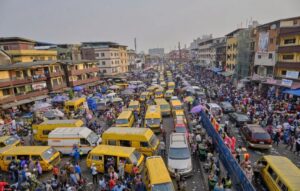
Behind these statistics lies the pain of millions of ordinary Nigerians. Parents are withdrawing children from school. Market stalls are emptying out. Young people, once full of hope, are now jobless and restless. Daily life has become a constant negotiation: between hunger and necessity, between survival and dignity.
The government insists that these reforms are a bitter pill required for long-term prosperity. But for many Nigerians, the promise of future growth offers little comfort against the present reality of hardship. Patience is wearing thin. Across the country, murmurs of discontent are rising — and with them, the fear that if these policies do not soon yield visible benefits, the hardship could give way to deeper unrest.
In the end, while foreign investors are celebrating their gains, the Nigerian layman continues to pay the price.