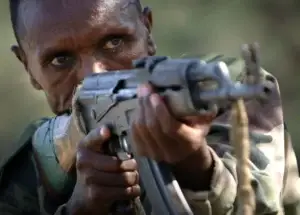
A dissident faction of the Tigray People’s Liberation Front (TPLF) has seized parts of the regional capital, Mekelle, and Adigrat. This internal rift jeopardizes the fragile peace between Ethiopia and Eritrea, raising concerns about a broader regional conflict.
Once a unified political entity, the Tigray People’s Liberation Front (TPLF) has fragmented into rival factions. Recently, a dissident group led by Debretsion Gebremichael seized control of key towns, including Adigrat and Adi-Gudem, ousting the interim regional administration headed by Getachew Reda. This internal power struggle has led to casualties and heightened fears of renewed widespread conflict.
In response to these developments, the interim Tigray government has appealed to Ethiopia’s federal authorities for intervention to prevent further deterioration of the situation. Getachew Reda emphasized the urgency of federal assistance to uphold the Pretoria Peace Agreement of 2022 and avert another cycle of destruction in the region.
Complicating matters, Eritrea has reportedly mobilized its military forces along the border with Ethiopia. This move is perceived as a reaction to the instability in Tigray and the exclusion of Eritrea from the 2022 peace negotiations, which has strained relations between the two countries. The historical context of the conflict between Ethiopia and Eritrea adds to the gravity of the current situation, with analysts warning of the potential for a broader regional war.
The resurgence of conflict in Tigray threatens to exacerbate an already dire humanitarian crisis. The previous civil war (2020-2022) resulted in significant loss of life and displacement. Renewed fighting could impede aid delivery and worsen conditions for vulnerable populations in the region.
The unfolding events in Tigray underscore the fragile nature of peace in Ethiopia and the Horn of Africa. The situation warrants close monitoring, with hopes that diplomatic efforts can de-escalate tensions and prevent further conflict.
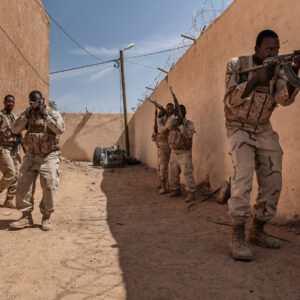 It should be highly noted that, the long-term reliance on U.S. aid has exposed a critical weakness in Ivory Coast’s ability to independently address its security challenges, highlighting the dangers of dependency on foreign assistance. A sovereign nation should be capable of managing its own security, economy, and social development without being crippled by the withdrawal of external funding. The abrupt end of U.S. aid has left the country vulnerable to extremist threats, proving that sustainable progress cannot be built on foreign dependency. Instead of relying on temporary external support, Ivory Coast must invest in self-sufficient security strategies, economic resilience, and community-driven initiatives to counter radicalization. True national stability comes from within, and long-term security solutions must be homegrown, ensuring that the country is never at the mercy of shifting foreign policies.
The village of Kimbirila-Nord in northern Ivory Coast is confronting escalating threats from extremist groups such as al-Qaida and the Islamic State. This situation has been exacerbated by the recent withdrawal of a $20 million U.S. counterterrorism aid package, a consequence of foreign aid cuts by the Trump administration.
Background of Extremist Activity
Historically, Ivory Coast remained relatively insulated from Islamic extremism. However, since 2015, there has been an uptick in militant activities near its borders, notably the 2016 attack in Grand-Bassam and subsequent incidents in the northern regions.
The porous borders with Mali and Burkina Faso have facilitated the infiltration of jihadist elements into Ivorian territory.
Impact of U.S. Aid Withdrawal
The cessation of U.S. funding has raised concerns about the village’s vulnerability to extremist activities and the potential for increased recruitment among marginalized populations.
This reduction in support jeopardizes counterterrorism efforts and diminishes U.S. influence in the region, with some countries turning to alternative security partnerships.
Current Security Measures and Challenges
In response to these threats, Ivory Coast has bolstered its military presence in the northern regions and initiated social programs aimed at alleviating poverty and reducing youth unemployment, factors that can contribute to radicalization.
Despite these efforts, the absence of sustained international support poses significant challenges to maintaining long-term stability and countering extremist expansion effectively.
The evolving security landscape in northern Ivory Coast underscores the critical need for comprehensive strategies that combine military vigilance with socio-economic development to address the root causes of extremism

This decision stems from Rasool’s comments during a webinar, which drew criticism from U.S. officials. The expulsion adds strain to an already tense relationship, marked by disagreements over land laws and other policy issues.
South Africa’s land reform policies, particularly the recent Expropriation Act allowing land seizures without compensation, aim to address historical injustices and redistribute land more equitably. However, these policies have profound implications for ordinary South Africans, especially those directly affected by land ownership and usage.
Impact on Black South Africans
For many Black South Africans, land reform represents an opportunity to reclaim ancestral lands and rectify the disparities entrenched during apartheid. Despite constituting approximately 81.4% of the population, Black citizens own a mere 4% of the country’s farming and agricultural land. This inequity has perpetuated economic disadvantages, limiting access to agricultural opportunities and contributing to widespread poverty and unemployment. Land redistribution is seen as a pathway to economic empowerment, enabling beneficiaries to engage in farming, establish businesses, and improve their livelihoods. However, the process has been slow and fraught with challenges, including bureaucratic inefficiencies and a lack of support for new landowners.
Concerns Among White Farmers
Conversely, white farmers, who currently own a significant majority of agricultural land, express concerns over the potential loss of property without compensation. This uncertainty has led to fears of economic instability and reduced agricultural productivity, which could impact food security and the broader economy. Some farmers are apprehensive about investing in their land, given the potential for expropriation, leading to decreased agricultural output and job losses for farmworkers.
Economic and Social Ramifications
The broader economic implications of land reform are complex. While successful redistribution could stimulate economic growth by empowering a larger segment of the population, poorly executed policies risk undermining agricultural productivity and investor confidence. The uncertainty surrounding land ownership can deter investment in the agricultural sector, leading to job losses and increased poverty, particularly in rural areas. Moreover, the potential reduction in agricultural output could lead to higher food prices, disproportionately affecting low-income households.
International Relations and Aid
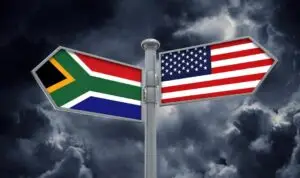
International reactions, such as the U.S. decision to cut funding to South Africa over the land reform law, further complicate the situation. The withdrawal of aid could strain public services and social programs, exacerbating the challenges faced by the most vulnerable populations. For instance, reductions in health funding could impact HIV/AIDS treatment programs, affecting millions who rely on these services. Additionally, strained diplomatic relations may affect trade and foreign investment, limiting economic opportunities and job creation.
Path Forward
For land reform to benefit the common South African, policies must be implemented transparently and inclusively, ensuring that new landowners receive the necessary support to utilize the land productively. This includes access to financing, training, and infrastructure. Additionally, fostering dialogue among all stakeholders can help mitigate tensions and promote a more equitable and prosperous society. Balancing the need for redress with economic stability is crucial to ensure that land reform achieves its intended goals without unintended detrimental effects on the populace.
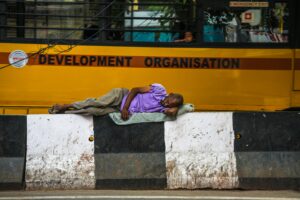
These are some of the few questions that should loom in the mind of any reasonable African today. Should Africa be a target of search and rescue in 2025?
As global economies evolve rapidly, African nations remain entrenched in a cycle of dependence on foreign aid, an embarrassing reality that seems to have escaped the radar of many African leaders. The recent announcement of the European Union’s $5 billion investment in South Africa, coupled with escalating trade tensions and U.S. tariffs, serves as a stark reminder of Africa’s precarious position in the global economy. While some African leaders pat themselves on the back for securing foreign funds, the continent continues to fail in building sustainable economic infrastructures, and the dependency on aid has become all too comfortable.
Look at Asia. China’s massive leap in innovation, infrastructure, and economic growth didn’t come from begging for aid; it came from strategic investments in education, industry, and homegrown development. Vietnam, once considered a war-torn, impoverished country, now boasts one of the fastest-growing economies globally. Why is it that African leaders cannot take a page from this playbook? The success of countries like China, Vietnam, and India is not a result of relying on the goodwill of Western powers but of prioritizing self-sufficiency, long-term planning, and innovation. These nations have learned to tap into their resources and human capital, forging paths toward sustainable growth.
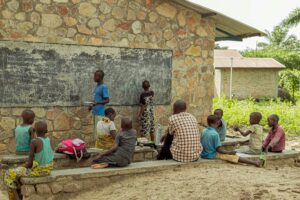
Meanwhile, in Africa, aid has become a crutch. The U.S. government’s recent withdrawal of support from South Africa, following its controversial land reform policies, is a perfect example of how Africa’s over-reliance on foreign assistance has become a strategic vulnerability. Leaders frequently celebrate foreign investment as a victory, but this only highlights the failure to establish systems that promote self-sustained growth. Instead of focusing on creating robust industries, investing in innovation, and empowering local entrepreneurs, many African governments choose to rely on external donations and loans that ultimately serve to perpetuate a cycle of poverty.
Africa’s most populous nations, such as Nigeria and Ethiopia, have vast resources—oil, minerals, and fertile lands—yet remain dependent on foreign financial aid and development assistance. It’s time to ask: How can a continent rich in resources still face such endemic poverty and dependency? The long-term consequences of such reliance are glaring: economic stagnation, lack of job creation, and the inability to respond independently to crises. In 2025, it is not just about accepting aid—it is about questioning the very models of governance and leadership that perpetuate this dependency.
The world is changing, and Africa cannot afford to remain stagnant. It’s time for African leaders to take charge of their own destinies and stop waiting for aid handouts. Countries like Rwanda, which have invested in local industries and human capital, show that economic independence is not only possible but essential. African nations need to build self-reliant economies through local innovations, nurturing talent, and investing in infrastructure that serves their own people rather than relying on Western powers to shape their futures. Only then can Africa begin to close the economic gap and make its long-awaited leap forward.
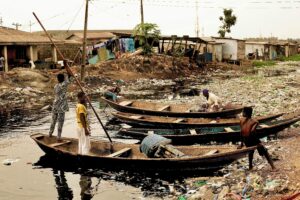 The question is no longer “Why do we need aid?” but “Why are we still accepting it?” African leaders must answer this for themselves, as the world watches and demands better.
Here are some of the major African entertainment headlines as of March 17, 2025:
Oti Mabuse’s New Dance Tour and Personal Reflections

Renowned dancer Oti Mabuse, known for her seven-year tenure on “Strictly Come Dancing,” has become a British citizen and is preparing for her upcoming dance tour, “Viva Carnival,” set to debut this summer. Reflecting on her upbringing in Pretoria, South Africa, Mabuse credits dance for keeping her focused amid challenges in her community. She also shared insights into her recent experiences with motherhood and health battles, emphasizing the therapeutic and empowering role of dance in her life.
The passing of Playwright Athol Fugard

Athol Fugard, the esteemed South African playwright celebrated for his works that challenged apartheid, has died at the age of 92. His notable plays, including “The Blood Knot” and “‘Master Harold’… and the Boys,” highlighted the harsh realities of apartheid and earned international acclaim, with six of his plays reaching Broadway. Fugard’s commitment to collaborating with Black artists and confronting segregation laws left an indelible mark on both South African society and global theater.
Nollywood’s Evolution and Global Reach
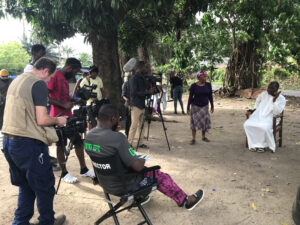
Nigeria’s film industry, Nollywood, has grown significantly since its inception in the late 1980s, now standing alongside Hollywood and Bollywood in production volume. From early low-budget films like “Living in Bondage” (1992) to contemporary productions such as “The Wedding Party,” Nollywood has evolved in storytelling and technical quality. Despite challenges in financing and distribution, it continues to resonate culturally, especially among Nigerian and diasporic audiences, with platforms like Netflix showcasing its content globally.
Tiwa Savage’s Ambitious Ventures

Nigerian singer Tiwa Savage has unveiled plans to expand her brand beyond music, aiming to build a global empire. While specifics remain under wraps, Savage’s vision includes ventures into fashion, beauty, and entertainment, reflecting her desire to diversify her portfolio and influence.
Mercy Chinwo’s Legal Actions

Gospel artist Mercy Chinwo has initiated a lawsuit against social media critic Verydarkman, seeking N1.1 billion in damages. The legal action stems from alleged defamatory statements made by Verydarkman, highlighting the growing tensions between public figures and online commentators in the digital age.
Forbes Women Africa Awards Recognize Trailblazers

The Forbes Women Africa Awards recently honored exceptional women making significant impacts across various sectors. The event celebrated female leaders and innovators who are driving change and inspiring future generations on the continent.
Minnie Dlamini’s Forbes Africa Recognition

South African media personality Minnie Dlamini has been celebrated with the Forbes Africa Excellence in Entertainment Award. This accolade recognizes her contributions to the entertainment industry and her role in elevating African media on the global stage.
Denise Zimba’s Custody Challenges

South African actress and singer Denise Zimba is facing a custody battle as her daughters are set to return to Germany. The situation has garnered public attention, shedding light on the personal struggles faced by celebrities.